Shutterbugs, This Is Where Magic Meets Culture in Mandalay
Have you ever stood somewhere so vivid, so rich in story and color, that your camera almost clicks itself? Mandalay isn’t just Myanmar’s cultural heartbeat—it’s a living gallery. From golden temples humming with prayer to artisans shaping history with their hands, every corner begs to be seen. I went chasing light and soul, and came back with frames I’ll never forget. If you’re hunting moments, not just photos, this is where you need to be.
Why Mandalay? The Soul of Myanmar’s Cultural Landscape
Mandalay stands as the traditional heart of Burmese culture, a city where centuries-old customs continue to shape daily life. Unlike more modernized or heavily touristed destinations, Mandalay offers an unfiltered glimpse into the rhythms of a deeply rooted society. Here, spirituality is not performed—it is lived. Each morning, long before the sun crests the horizon, saffron-robed monks walk the quiet streets in silent procession, collecting alms from families who kneel respectfully with offerings of rice and tea. These are not staged scenes for cameras but genuine expressions of faith, repeated generation after generation. For the thoughtful photographer, these moments are not just visually striking—they carry emotional weight, offering a rare intimacy between subject and observer.
The city’s cultural depth extends beyond religious practice into the realm of artistry. Mandalay has long been a hub for traditional Burmese craftsmanship, from intricate wood carving to delicate gold leaf production. These skills are passed down through families, often within the same workshop for decades. You’ll find artisans shaping marble with chisels worn smooth by years of use, or young apprentices learning the fine stitches of tapestry weaving under the guidance of elders. What makes Mandalay so compelling for photography is that these traditions aren’t preserved behind glass—they unfold in plain sight, in open-air workshops and quiet courtyards, bathed in natural light perfect for capturing texture and motion.
Photographing in Mandalay means engaging with a culture that values humility, respect, and mindfulness. This context shapes how images should be taken—not as trophies, but as records of shared human experience. The city’s slower pace allows for deeper observation. A moment that might pass unnoticed elsewhere—a monk adjusting his robe, a child balancing a tray of lotus blossoms, an elderly woman pressing betel nut into a leaf wrapper—becomes a story worth framing. With each click, there’s an opportunity to honor the dignity of the people and the authenticity of their lives. In this way, photography in Mandalay transcends aesthetics; it becomes an act of cultural listening.
U Bein Bridge at Sunset: A Photographer’s Dream Scene
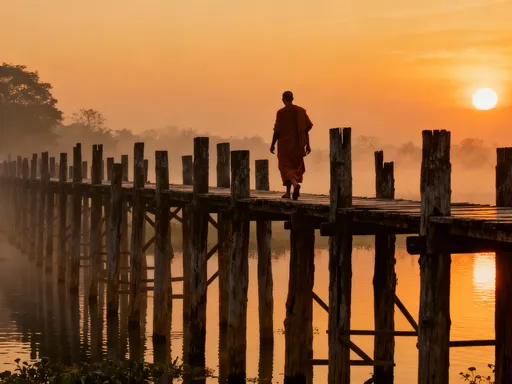
Stretching nearly 1.2 kilometers across Taungthaman Lake, U Bein Bridge is one of Southeast Asia’s most photographed landmarks—and for good reason. Constructed in the mid-19th century from salvaged teak wood from the former royal palace in Amarapura, the bridge is not only a marvel of engineering but a living artery of community life. Locals cross it on foot, by bicycle, and even with small carts, creating a steady flow of movement that adds dynamism to any composition. When the sun begins its descent, the weathered teak glows in warm amber tones, and the long shadows cast by the 984 pillars ripple across the water, forming a rhythmic pattern that is pure visual poetry.
For photographers, timing is everything. Arriving at least 90 minutes before sunset allows time to explore both ends of the bridge and scout vantage points. The western end, near the Amarapura side, offers the most direct view of the sun sinking behind the bridge, ideal for silhouette shots. The eastern approach, closer to Mandalay, provides elevated platforms and small shrines that serve as natural foreground elements. For wide-angle panoramas, a position near the midpoint offers symmetry and depth, with the receding lines of the bridge leading the eye into the golden haze. Using a tripod during the final 30 minutes of light ensures sharpness, especially as the ambient glow softens and shutter speeds slow.
Equally compelling are the human moments that unfold along the bridge. Monks pause to rest on wooden benches, schoolchildren laugh as they race each other, and fishermen cast nets in quiet concentration. These interactions should be captured with care. While many locals are accustomed to cameras, it’s essential to smile, make eye contact, and ask permission when focusing closely. A simple gesture of respect often leads to a more natural, trusting expression—one that translates powerfully through the lens. Avoid using flash during twilight, as it disrupts both the mood and the experience of others.
Post-processing can enhance the scene without distorting its truth. Subtle adjustments to contrast and warmth can emphasize the golden hour glow, while careful cropping can highlight geometric patterns or isolate a solitary figure against the vast span. The goal is not to create a fantasy but to reveal the quiet beauty already present. U Bein Bridge is more than a backdrop; it is a testament to endurance, community, and the passage of time—all of which resonate deeply in every photograph taken there.
Mandalay Palace: Symmetry, History, and Light
At the center of the city lies Mandalay Palace, a vast walled complex that once housed the last royal family of Burma. Though the original structures were destroyed during World War II, the current buildings are faithful reconstructions based on historical records, preserving the grandeur and precision of traditional Burmese palace architecture. Encircled by a wide moat and set within meticulously maintained gardens, the palace grounds offer photographers a rare blend of symmetry, scale, and historical atmosphere. The whitewashed walls, tiered roofs, and gilded spires reflect the sunlight in ways that highlight clean lines and balanced proportions—ideal for architectural and wide-angle photography.
The best light for photographing the palace exterior occurs in the early morning, when the eastern façade catches the rising sun and casts soft, elongated shadows across the walkways. This is also the quietest time of day, with fewer visitors and a peaceful stillness that enhances the sense of timelessness. The Watch Tower, or Nanmyintsaung, rises above the complex like a sentinel, offering panoramic views of the city and the surrounding hills. From this vantage point, photographers can capture sweeping compositions that include the palace layout, the moat’s reflective surface, and the distant silhouette of Mandalay Hill.
Inside the palace, the throne hall and reception chambers feature richly carved wooden pillars, lacquered panels, and ornate ceilings painted with traditional motifs. These interiors require a different approach—lower light levels mean wider apertures and slower shutter speeds are necessary. A tripod is highly recommended to avoid blur, especially when shooting detailed close-ups of craftsmanship. Natural light filters through lattice windows, creating dappled patterns that add texture and depth. Avoid using flash indoors, as it can damage delicate surfaces and disrupt the serene ambiance.
Beyond the visual appeal, understanding the historical context deepens the meaning of each image. King Mindon founded Mandalay in 1857 as the final royal capital of the Konbaung Dynasty, envisioning it as a center of Buddhist learning and cultural refinement. Every architectural decision—from the orientation of the buildings to the placement of gates—was guided by cosmological principles. Photographers who take a moment to learn this background can create images that are not only beautiful but layered with significance. Capturing the palace is not just about documenting a structure; it’s about preserving the memory of a kingdom and the enduring spirit of a people.
Kuthodaw Pagoda: The World’s Largest Book in Stone
Located at the foot of Mandalay Hill, Kuthodaw Pagoda is often described as the world’s largest book—and for good reason. Within its serene compound stand 729 white stupas, each housing a marble slab inscribed with a section of the Tripitaka, the complete teachings of the Buddha. Commissioned by King Mindon in the 1860s, this monumental effort to preserve sacred texts in stone was both a religious devotion and a cultural safeguard. Today, the site offers photographers a unique blend of spiritual grandeur and visual rhythm. The repetitive forms of the stupas, arranged in neat rows, create a sense of order and harmony that is both calming and compelling through the lens.
From a compositional standpoint, Kuthodaw is a masterclass in pattern and perspective. Wide-angle shots from elevated positions—such as the nearby stairway to Mandalay Hill—capture the full scale of the arrangement, with rows of stupas receding into the distance like pages in an open book. At ground level, walking between the structures allows for more intimate framing, using the symmetry of the stupas to lead the eye toward a central focal point, such as the main pagoda or a lone visitor in saffron robes. The contrast between the bright white stupas and the blue sky or green foliage provides natural visual clarity, making colors pop without heavy editing.
Light plays a crucial role in shaping the mood of the photographs. Mid-morning light, when the sun is high but not harsh, casts even illumination across the compound, minimizing strong shadows. Late afternoon light, however, adds warmth and dimension, with the golden glow highlighting the curves of the stupas and creating long, dramatic shadows that emphasize spacing and depth. For black-and-white photography, the interplay of light and shadow offers exceptional tonal range, turning the site into a study of form and contrast.
What makes Kuthodaw especially meaningful is the intention behind its creation. Each slab was painstakingly carved by hand, a process that took years to complete. The site is not merely a collection of monuments but a living library, still revered by pilgrims and scholars alike. Photographers who approach the pagoda with reverence can create images that reflect not just its visual beauty but its enduring purpose. A close-up of weathered script, a shadow falling across a sacred text, or a monk pausing in quiet reflection—all of these moments connect the viewer to something larger than the frame.
Shwekyimyint Temple & Artisan Workshops: Capturing Craft in Motion
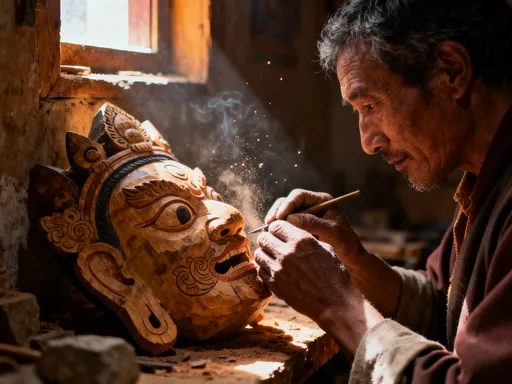
Just beyond the city’s main temples lies a different kind of sacred space—the workshops where Mandalay’s artisans keep ancient crafts alive. Shwekyimyint Temple and its surrounding alleys are home to some of the finest marble carvers, gold leaf beaters, and woodworkers in the country. These are not tourist demonstrations but real workplaces, where skill is measured in decades and precision is passed from hand to hand. For photographers, these environments offer rare access to the art of making—the sparks flying from a chisel, the rhythmic pounding of gold into paper-thin sheets, the delicate threading of silk into intricate tapestries.
Photographing artisans requires a balance between observation and participation. Many workshops welcome visitors, but it’s important to ask before raising your camera. A simple nod or polite inquiry in basic Burmese—"Do you mind if I take a photo?"—goes a long way. Once permission is granted, focus on the details: the texture of marble dust on a craftsman’s fingers, the reflection of light on a freshly beaten sheet of gold, the concentration in a weaver’s eyes. These close-ups tell richer stories than wide shots alone. Using a macro lens or a zoom with good close-focusing ability allows you to isolate these moments without intruding on personal space.
Natural light is your greatest ally in these settings. Most workshops are open-fronted or have high windows that let in soft, diffused light—ideal for revealing texture without harsh contrast. Position yourself so the light falls across the subject, highlighting contours and movement. Avoid using flash, which can startle workers and flatten the three-dimensional quality of the scene. If lighting is low, increase your ISO slightly and use a stabilizing technique, such as bracing your arms against a surface, to maintain sharpness.
One of the most powerful aspects of photographing craft is the sense of continuity it conveys. In a marble workshop, you might see a master guiding a young apprentice’s hand, showing how to carve lotus petals with just the right curve. In a gold leaf studio, women sit in a line, each performing a step in the process, from melting the ingot to pounding it between layers of parchment. These images speak to tradition, patience, and the quiet dignity of labor. When captured with care, they become more than portraits—they become testaments to cultural resilience.
Local Markets and Street Life: Unscripted Cultural Moments
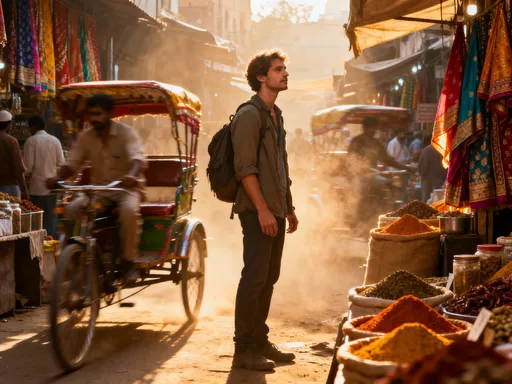
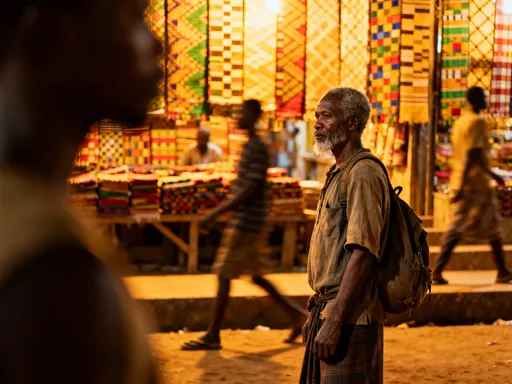
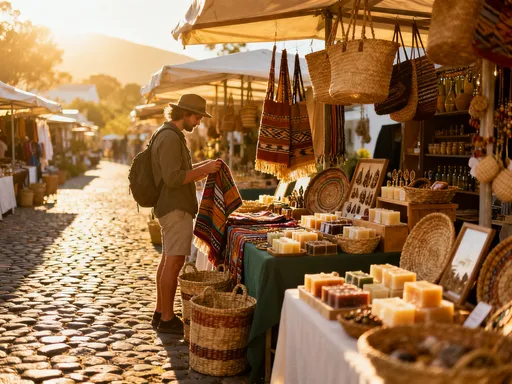
No visit to Mandalay is complete without wandering its bustling markets, where the city’s daily life unfolds in a vibrant tapestry of color, scent, and sound. Zegyo Market, the largest in the city, is a sensory overload in the best possible way. Stalls overflow with mounds of turmeric, chili, and thanaka powder; vendors stack pyramids of fruit; and butchers display fresh cuts under shaded awnings. This is where photography shifts from composition to storytelling. A single frame can capture the crinkle of an elderly vendor’s smile, the glint of sunlight on a brass scale, or the careful arrangement of betel nut leaves on a banana leaf tray.
For candid street photography, a 35mm or 50mm lens is ideal—close enough to capture expression, wide enough to include context. Moving slowly and respectfully through the market allows you to anticipate moments: a child reaching for a mango, a monk selecting fruit for alms, a woman adjusting a strap on her woven basket. These unscripted interactions are the heart of cultural photography. Avoid chasing shots; instead, linger in one area, let people become accustomed to your presence, and wait for genuine moments to unfold.
Cultural sensitivity is paramount. While many vendors are happy to be photographed, especially if you engage with them first, some may decline. A smile and a small purchase—a piece of fruit, a local snack—can open doors more effectively than a camera. Never photograph religious offerings, sacred objects, or people in moments of private prayer without explicit permission. The goal is not to extract images but to build brief, respectful connections that result in authentic representation.
Other notable spots include the flower market near Mahamuni Pagoda, where women weave garlands of marigolds and jasmine at dawn, and the street-side tea shops where men gather to sip sweet milk tea and discuss the day’s news. These quieter scenes offer contrast to the market’s energy and provide opportunities for reflective, human-centered photography. A well-composed image of a lacquerware stack waiting to be sold, or a weathered hand pouring tea, can convey the essence of Mandalay life more powerfully than any landmark.
Practical Tips: Gear, Timing, and Ethical Photography in Mandalay
To make the most of your photographic journey in Mandalay, preparation is key. Start with your gear: a lightweight zoom lens (24-70mm or 24-105mm) offers versatility for both wide scenes and tighter portraits. A polarizing filter helps reduce glare on water and glass, especially during midday shots at U Bein Bridge or Kuthodaw Pagoda. A compact tripod is invaluable for low-light situations, such as early morning at the palace or sunset on the lake. While drones are technically permitted in Myanmar, their use near religious sites and government buildings is restricted—always check local regulations and err on the side of caution.
The best time to visit Mandalay is between November and February, when temperatures are milder and the skies are clear. These months align with the dry season, offering consistent light and comfortable conditions for walking. Within each day, structure your shooting schedule around the sun. Begin at 5:30 a.m. to capture alms-giving and morning light at the palace. Mid-morning (9–11 a.m.) is ideal for indoor sites like the throne hall or workshops, where light is steady. Afternoon (3–5 p.m.) allows for golden hour prep at U Bein Bridge or Mandalay Hill. Evenings can be spent reviewing images or exploring local tea shops for low-light street scenes.
Equally important is ethical practice. Always ask before photographing people, especially monks, children, and artisans. A quick gesture or smile can ease tension and lead to more natural expressions. Avoid intrusive behavior—no chasing subjects or using long telephoto lenses to shoot without consent. Respect sacred spaces by removing shoes, dressing modestly, and refraining from flash or loud noises. If possible, hire a local guide; not only do they provide access and context, but your support contributes directly to the community.
Finally, remember that the best photographs are not just technically sound—they are emotionally true. Mandalay offers more than picturesque scenes; it offers a chance to witness a culture that values harmony, devotion, and craftsmanship. When you return home, your images should do more than decorate a wall—they should invite conversation, spark curiosity, and honor the people who allowed you to see their world. In the end, photography in Mandalay is not about capturing perfection, but about preserving presence.