You Won’t Believe What I Found in Cape Winelands — Shopping Here Is Next Level
Nestled among rolling vineyards and mountain views, South Africa’s Cape Winelands isn’t just about wine — it’s a treasure trove of local craftsmanship and charm. I went expecting tastings, but left with handwoven baskets, artisanal oils, and memories from markets most tourists miss. This is shopping with soul, where every purchase tells a story. Let me show you how to find the best, avoid the traps, and connect with the real heartbeat of the region — one beautiful buy at a time.
Why the Cape Winelands Is More Than Just Wine
The Cape Winelands, stretching from Stellenbosch to Franschhoek and Paarl, is globally celebrated for its award-winning wines and scenic vineyard estates. Rows of lush green vines climb gentle slopes under the watchful gaze of dramatic mountain ranges, and the region’s winemaking heritage—rooted in 17th-century Dutch settlement—continues to thrive. Yet beyond the cellar doors and wine pairings lies a quieter, equally compelling dimension: a vibrant culture of local craftsmanship that transforms a simple wine tour into a full sensory journey.
What makes this region’s shopping scene unique is its deep connection to place and heritage. The goods found here are not mass-produced souvenirs but reflections of a rich cultural tapestry woven from Dutch, Cape Malay, Khoi-San, and Xhosa influences. You’ll find hand-block-printed textiles echoing Malay patterns, ceramic bowls glazed with earth tones reminiscent of the surrounding fynbos-covered hills, and intricately beaded accessories crafted by women’s cooperatives in nearby townships. These items are born from tradition, shaped by skilled hands, and imbued with stories.
Farm stalls tucked between vineyards offer more than just snacks—they’re informal galleries of rural life. A jar of homemade fig jam, a loaf of sourdough baked in a wood-fired oven, or a hand-thrown pottery mug isn’t merely a product; it’s an expression of seasonal rhythm and artisanal pride. Even the packaging—brown paper bags tied with twine, recycled glass bottles—speaks to a slower, more intentional way of living. This authenticity is what draws discerning travelers who seek more than a tasting flight—they want to carry home a piece of the region’s spirit.
Moreover, many of these craft spaces double as community hubs. Markets often host live music, cooking demos, or children’s art corners, creating a warm, inclusive atmosphere. By choosing to shop here, visitors support small-scale producers, many of whom rely on seasonal tourism to sustain their livelihoods. It’s a form of travel that gives back—where every purchase becomes a quiet act of connection between traveler and maker.
Best Times and Seasons to Shop Smart
Timing can make or break your shopping experience in the Cape Winelands. While the region is welcoming year-round, certain seasons unlock unique opportunities for discovery. The harvest season, from February to April, is a particularly vibrant time to visit. Vineyards buzz with activity, and farm markets swell with fresh produce, homemade preserves, and seasonal crafts. It’s not uncommon to find stalls offering just-picked grapes, sun-warmed peaches, or newly pressed olive oil—all at their peak freshness.
During harvest, the Weekly Market at Waterkloof in Stellenbosch reaches its liveliest. Farmers, bakers, and artisans converge to showcase their best offerings, and the air fills with the scent of roasting coffee and grilled boerewors. While the energy is infectious, it also means larger crowds and limited parking. For a more relaxed experience, arriving early—before 9 a.m.—allows for unhurried browsing and meaningful conversations with vendors. Weekdays are generally quieter than weekends, making them ideal for those who prefer a calmer pace.
Spring, from September to November, presents a different kind of beauty. The landscape bursts into color with blooming proteas, ericas, and wildflowers, and the weather is mild and inviting. This season is perfect for leisurely drives through the countryside, stopping at roadside stalls without the summer rush. Artisans often debut new collections in spring, inspired by the season’s renewal, so it’s an excellent time to find fresh designs in textiles, ceramics, and botanical skincare.
Winter, though cooler, has its own charm. From June to August, many wineries offer indoor tastings with roaring fireplaces, and smaller craft fairs pop up in community halls. While outdoor markets are less frequent, the intimacy of indoor events allows for deeper engagement with makers. It’s also easier to book guided shopping tours or private studio visits during this quieter period. Regardless of season, checking local event calendars online—such as those from the Stellenbosch or Franschhoek tourism offices—can help align your trip with special markets or artisan pop-ups.
Hidden Markets and Local Favourites You Shouldn’t Miss
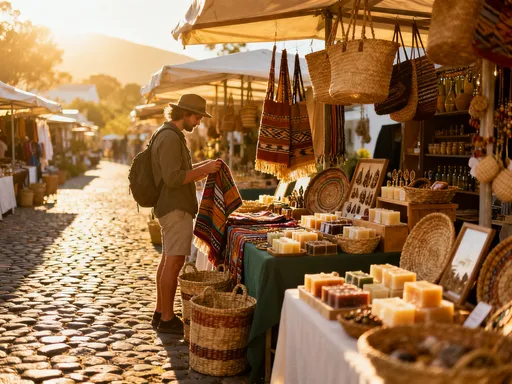
While the Cape Winelands attracts thousands of wine lovers each year, the true gems are often found off the main roads. The Weekly Market at Waterkloof, held every Thursday and Sunday, is a favorite among locals and in-the-know visitors. Set in a converted farmyard with shaded seating and live acoustic music, it feels more like a community gathering than a commercial event. Here, you’ll find stalls selling organic vegetables, free-range eggs, and hand-milled grains, alongside artisanal goods like beeswax candles, linen napkins, and hand-carved wooden spoons.
One standout is the rooibos-infused honey stand, where a third-generation beekeeper shares how she blends raw honey with locally grown rooibos for a subtly earthy flavor. Another beloved vendor offers olive oil soaps made with cold-pressed oil from nearby groves—gentle on the skin and rich in antioxidants. These are not just products; they’re the result of years of experimentation and deep respect for natural ingredients.
The Stellenbosch Craft Market, held every Saturday at the Coetzenburg Sports Grounds, is another must-visit. Unlike generic tourist bazaars, this market prioritizes authenticity. Vendors must apply and are vetted to ensure their goods are handmade and locally sourced. The result is a curated selection of high-quality crafts, from batik-print aprons to clay jewelry inspired by San rock art. Many artisans work on-site, allowing visitors to watch a potter shape a bowl or a weaver set up a loom.
What sets these markets apart is their commitment to community. Proceeds from stall fees often support local charities or youth programs. Some vendors are part of social enterprises that train women from underserved areas in sewing or baking. Shopping here isn’t transactional—it’s participatory. You’re not just buying a scarf; you’re supporting someone’s journey toward financial independence. That sense of shared humanity lingers long after the trip ends.
How to Spot Authentic Handmade Goods vs. Mass-Produced Souvenirs
As the popularity of the Cape Winelands grows, so does the risk of encountering mass-produced items labeled as “local crafts.” Distinguishing genuine handmade goods from imported imitations requires attention to detail and a bit of curiosity. One of the simplest ways to verify authenticity is to examine the craftsmanship. Look for slight imperfections—uneven stitching in a textile, subtle variations in glaze on a ceramic piece, or natural irregularities in wood grain. These are not flaws but signs of human touch, evidence that the item was made by hand rather than machine.
Materials matter, too. Authentic goods often use locally sourced, natural materials: wool from Karoo sheep, clay from Western Cape soil, dyes extracted from indigenous plants like pelargonium or wild indigo. If a product claims to be “hand-dyed” but the colors are unnaturally uniform, it’s likely factory-made. Similarly, beadwork that feels too rigid or symmetrical may have been produced in bulk rather than woven individually.
Engaging with the vendor is perhaps the most effective way to ensure authenticity. Don’t hesitate to ask questions like, “Did you make this yourself?” or “Where is your studio located?” Most artisans are proud to share their process and will happily describe their techniques, tools, and inspirations. If a seller seems evasive or can’t provide details, it may be a red flag. Genuine makers often carry business cards or tags with their name, location, and a brief story about the piece.
Another clue lies in pricing. Handmade items typically cost more than mass-produced ones—not because they’re marked up, but because of the time, skill, and materials involved. A beautifully beaded clutch that took eight hours to complete will not sell for the same price as a factory-made version. While budget matters, paying a fair price supports sustainable craftsmanship and ensures that artisans can continue their work.
What to Buy (And What to Skip)
With so many options, it helps to focus on purchases that are both meaningful and representative of the region. Small-batch preserves—like quince jelly, apricot conserve, or chili-infused mango chutney—are excellent choices. They’re lightweight, packable, and make thoughtful gifts. Look for jars labeled with the producer’s name and harvest date, which indicate care and traceability. Many of these preserves are made in home kitchens using family recipes passed down for generations.
Wine accessories from local designers also make for memorable keepsakes. Consider a hand-carved corkscrew made from African blackwood, a linen wine tote with embroidered vineyard motifs, or a set of recycled glass wine stoppers. These items blend functionality with artistry and reflect the region’s winemaking culture in a tangible way.
Beadwork from community cooperatives is another worthwhile investment. Groups like the Philani Craft Studio in Khayelitsha train women in traditional beading techniques, allowing them to earn income while preserving cultural heritage. Their pieces—necklaces, earrings, and decorative panels—often feature symbolic patterns and vibrant colors rooted in Xhosa and Ndebele traditions. Each piece is unique, and purchasing it supports both the artist and the cooperative’s educational programs.
On the other hand, it’s wise to skip generic souvenirs like fridge magnets, keychains, or mass-produced T-shirts with cartoonish slogans. These items lack connection to place and are often imported from overseas factories. Similarly, overpriced decorative items—such as oversized ceramic owls or painted wine barrels—rarely reflect authentic local artistry and can clutter luggage without adding lasting value. Instead, choose items that engage the senses and spark memory: a bar of lavender-and-fynbos soap, a hand-stitched tea towel, or a jar of rose geranium syrup.
Practical Tips for Stress-Free Shopping
Shopping in the Cape Winelands should be enjoyable, not stressful. A few practical considerations can make the experience smoother. First, carry cash. While many wineries and larger markets accept credit cards, smaller farm stalls and roadside vendors often operate on a cash-only basis. Having South African rand in small denominations ensures you won’t miss out on a perfect hand-knit baby blanket or a jar of wildflower honey just because your card won’t swipe.
Bring a reusable tote bag—preferably foldable and lightweight. You’ll accumulate items quickly, and plastic bags are frowned upon in this environmentally conscious region. Many markets even offer discounts for bringing your own container or bag. If you’re visiting multiple wine farms, ask if they provide storage for shopping bags during tastings. Some estates have lockers or designated areas where you can leave purchases while you tour the vineyards.
Packing fragile items requires care. Wrap ceramics or glass in soft clothing when packing your suitcase, or purchase bubble wrap from local stationery or craft stores. Some larger markets, like the Stellenbosch Craft Market, offer shipping services for an additional fee. This is especially useful for bulky or delicate items like woven baskets or large ceramic platters. Confirm that the service includes insurance and tracking, especially for international delivery.
When it comes to etiquette, bargaining is not customary in South African markets. Prices are generally fair and reflect the true cost of production. Instead of haggling, build rapport through friendly conversation. Compliment a vendor’s work, ask about their process, or share a bit about your own journey. These small gestures foster connection and often lead to personal recommendations—like a hidden stall selling handmade chocolate infused with rooibos or a family-run orchard offering fresh apple cider.
Turning Shopping into a Cultural Experience
Shopping in the Cape Winelands becomes truly enriching when it’s approached as a form of cultural exchange. Every purchase can be a doorway into deeper understanding. Imagine buying a handwoven mat from a Xhosa artisan and learning that the geometric patterns represent ancestral wisdom and family lineage. Or tasting a sample of fynbos honey before buying, then hearing how the bees forage in the biodiverse Cape Floristic Region—one of the world’s most unique ecosystems.
Some markets offer mini-workshops where visitors can try their hand at crafts. You might learn to roll rooibos tea leaves, stamp a fabric tote with natural dyes, or shape a small clay bowl under the guidance of a potter. These hands-on experiences create lasting memories and deepen appreciation for the skill behind each item. Even something as simple as watching a woman grind spices for Cape Malay curry paste can become a moment of connection—a shared smile, a recipe exchanged, a new flavor discovered.
Children, too, can participate. Many markets have craft corners where kids can paint wooden spoons or string beads. These activities aren’t just distractions—they’re introductions to local culture. A child who makes a simple bracelet from recycled glass beads may grow up remembering the colors, textures, and kindness of the woman who taught them.
Ultimately, mindful shopping transforms souvenirs from mere objects into vessels of memory and meaning. The apron you bought isn’t just for cooking—it’s a reminder of the woman who printed it by hand, the scent of marigolds in her garden, and the way she laughed as she showed you the block-printing technique. These moments, layered into everyday items, become part of your family’s story.
Conclusion: Shop With Purpose, Return With Stories
The Cape Winelands offers more than wine—it offers a way to travel with intention. When you shop here, you’re not just collecting things; you’re gathering stories, connections, and pieces of a living culture. The best souvenirs are those that were made with care, bought with curiosity, and carried home with gratitude. They remind us that travel is not just about seeing new places, but about engaging with them—heart, hands, and mind.
By choosing authentic, locally made goods, you support sustainable livelihoods and help preserve traditional crafts that might otherwise fade. You become part of a quiet movement toward ethical tourism—one where every purchase honors the maker and enriches the traveler. So next time you visit the Winelands, let your shopping list be guided not by impulse, but by purpose. Talk to artisans, savor the details, and let your bag fill with more than objects—with meaning, memory, and the quiet joy of connection. That’s the real treasure of this beautiful region.