You Won't Believe What I Found in Turku's Hidden Public Spaces
Turku, Finland’s oldest city, surprised me in the best way. I didn’t expect its quiet charm to hit so hard—especially in the public spaces tucked between old stone buildings and along the Aura River. These aren’t just parks and plazas; they’re living parts of daily life. From cozy riverbanks to creative urban corners, I discovered how locals truly connect with their city. It’s peaceful, authentic, and totally underrated. What I found wasn’t grand or marketed heavily, but it was deeply meaningful: a network of thoughtful, accessible, and seasonally resilient spaces that invite presence, not just passage. This is urban life at its most grounded—where design serves people, nature blends with structure, and community thrives in plain sight.
Introduction: A Quiet Revelation in Finland’s Oldest City
Turku, founded in the 13th century, stands as Finland’s historical cornerstone, once serving as the country’s capital and spiritual center. While Helsinki often captures international attention with its modern architecture and vibrant cultural scene, Turku offers something more subtle—a city that values continuity, functionality, and a deep connection to its natural surroundings. Its cobblestone alleys, centuries-old cathedral, and red-brick warehouses tell stories of trade, faith, and resilience. Yet, beyond these landmarks lies a quieter narrative: one written in the language of benches, tree-lined paths, and open lawns where life unfolds without fanfare.
What struck me most during my visit was not the city’s museums or medieval ruins, but the way its public spaces felt lived-in and loved. Unlike some European cities where plazas serve primarily as tourist thoroughfares, Turku’s open areas are used intensively by residents of all ages. Grandmothers stroll with grandchildren, students read between classes, couples sip coffee on weathered benches, and joggers trace the river’s edge at dusk. These spaces are not decorative afterthoughts; they are essential infrastructure for well-being, social cohesion, and seasonal adaptation.
The significance of this lies in what urban planners call “third places”—spaces distinct from home (first place) and work (second place) where people can gather informally. In Turku, these third places are intentionally designed to be inclusive, accessible, and adaptable. They reflect a philosophy that public space should not be reserved for special events or elite neighborhoods, but woven into the fabric of everyday life. This approach does not rely on spectacle or novelty but on consistency, care, and a commitment to human scale. The result is a city that feels safe, calm, and deeply connected—qualities increasingly rare in fast-growing urban environments.
The Aura River: Turku’s Beating Green Heart
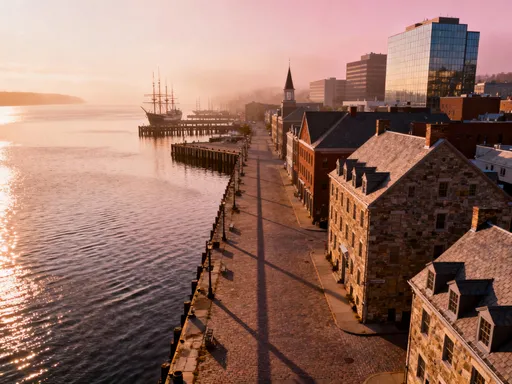
Flowing gently through the center of Turku, the Aura River is more than a scenic feature—it is the city’s central organizing element for public life. Its banks function as a continuous green corridor, linking neighborhoods, institutions, and parks while offering residents a shared domain for relaxation, recreation, and reflection. Along both sides of the river, wide pedestrian paths invite walking, cycling, and lingering. Benches face the water, many positioned to catch the afternoon sun, while open grassy areas provide room for picnics, impromptu games, or quiet reading beneath the trees.
What sets the Aura River apart is its year-round usability. In summer, the riverbanks buzz with activity: families spread blankets for meals, students gather for outdoor study sessions, and food trucks appear during seasonal festivals. Canoeists and kayakers glide along the calm waters, launching from public docks maintained by the city. The atmosphere is relaxed, unhurried—there’s no pressure to spend money or follow a schedule. People simply occupy the space as they wish, a testament to the freedom embedded in Turku’s urban design.
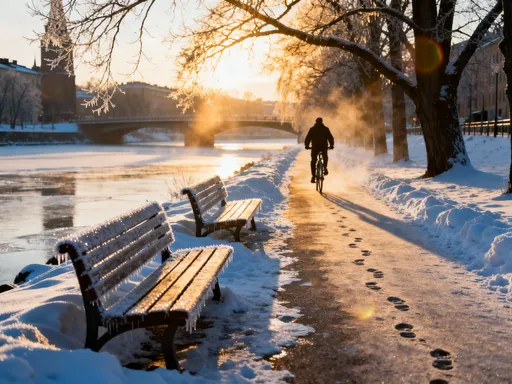
In winter, the transformation is remarkable but not disruptive. Snow is cleared promptly from main walkways, ensuring safe passage even during heavy falls. Ice skating paths are marked and maintained along calmer stretches, with signage indicating thickness and safety conditions. The city installs temporary lighting and small shelters with benches, some equipped with wood-burning fire pits, allowing people to enjoy the crisp air without discomfort. Even in freezing temperatures, the riverbanks remain active—locals walk dogs, take evening strolls, or meet friends for hot drinks by the ice.
Compared to other Nordic riverfronts, such as Oslo’s Barcode District or Copenhagen’s Harbor Bath areas, Turku’s approach is notably low-key. There are no luxury developments crowding the shore, no paid entry zones, and no commercial monopolies on waterfront views. Instead, the emphasis remains on accessibility and continuity. This aligns with broader Nordic values of egalitarianism and nature integration, but Turku executes it with particular consistency. The river is treated not as a backdrop for development, but as a public resource to be protected and enhanced for all.
Market Square: Where City Life Comes Alive
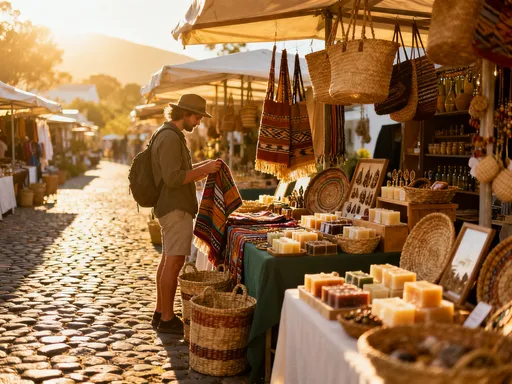
Turku’s Market Square, or Kauppatori, sits at the mouth of the Aura River and has served as a commercial and social hub for centuries. Today, it remains one of the city’s most dynamic public spaces, alive with movement, sound, and seasonal change. Every morning, vendors set up stalls selling fresh produce, local fish, handmade crafts, and seasonal specialties like cloudberry jam or rye bread. The market operates year-round, adapting to weather and demand, and draws a diverse crowd—from elderly shoppers comparing prices to young families sampling berries on weekends.
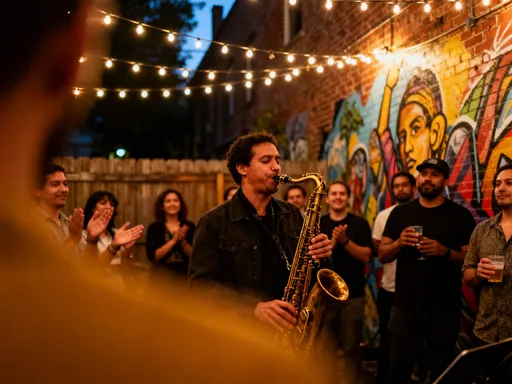
Beyond commerce, the square functions as a stage for civic life. Street performers—musicians, jugglers, living statues—add rhythm and spontaneity, particularly in warmer months. During summer festivals like Ruisrock or Vappu (May Day), the square transforms into a celebration ground with stages, food tents, and crowds dancing late into the night. Even in winter, it hosts a Christmas market with wooden huts selling mulled wine, gingerbread, and hand-knitted woolens, illuminated by strings of warm white lights.
The physical design of the square supports this vibrancy. Open and uncluttered, it allows for flexible use—no permanent structures block sightlines or limit access. Wide paving stones withstand heavy foot traffic, while embedded heating elements in key areas help melt ice during winter months. Seating is abundant, with movable chairs and built-in stone ledges that double as informal gathering spots. Tall lampposts provide consistent lighting, enhancing safety and extending usability into the evening.
One of the most striking aspects of Market Square is its inclusivity. Elderly residents sit together on benches, sharing stories; parents watch toddlers play near the central fountain; tourists browse maps while sipping coffee from local kiosks. There is no sense of exclusion or surveillance—just a natural flow of people from different backgrounds coexisting peacefully. This openness reflects a broader Finnish cultural value: that public space belongs to everyone, regardless of age, income, or status. The city’s investment in maintaining clean, safe, and welcoming conditions ensures that the square remains a true commons—a rare achievement in an era of privatized urban landscapes.
Exploring Lesser-Known Parks: Kupittaa and Puolalanmäki
While the riverfront and Market Square anchor Turku’s public life, its neighborhood parks offer quieter, more intimate experiences. Two stand out for their thoughtful design and community integration: Kupittaa Park and Puolalanmäki. Each serves different needs while sharing a commitment to accessibility, natural beauty, and year-round use.
Kupittaa Park, located just west of the city center, is a multifunctional green space that blends recreation, culture, and nature. Spanning over 70 hectares, it features formal gardens, open meadows, forested trails, and sports facilities. The park hosts the annual Ilosaarirock music festival and includes a large concert lawn used for outdoor performances in summer. Families picnic under birch trees, runners follow marked trails, and dog walkers navigate designated paths. A botanical garden within the park showcases native and ornamental plants, serving both educational and aesthetic purposes. Despite its size, Kupittaa never feels crowded, thanks to its varied zones and careful layout that separates active and quiet areas.
Puolalanmäki, in contrast, is a smaller, residential park nestled in a quiet neighborhood east of the river. It exemplifies the value of distributed green infrastructure—parks that are close to homes and serve daily needs rather than special occasions. The space includes a children’s playground, a skating rink in winter, and winding paths through pine and spruce trees. Benches are placed strategically to capture sunlight, and small clearings host community events like neighborhood barbecues or school outings. What makes Puolalanmäki special is its sense of ownership—residents care for it, use it regularly, and treat it as an extension of their living environment.
Together, these parks illustrate a key principle in Turku’s urban planning: the importance of a decentralized network of green spaces. Rather than relying on one or two large central parks, the city ensures that most residents live within a 10- to 15-minute walk of a usable green area. This approach increases equity, reduces pressure on individual sites, and supports daily physical activity. Studies have shown that proximity to green space correlates with lower stress levels, better mental health, and stronger neighborhood ties—all benefits that Turku quietly delivers through consistent, low-drama planning.
Creative Public Interventions: Street Art and Urban Furniture
Beyond grand parks and plazas, Turku’s character emerges in small, often overlooked details: a mosaic embedded in a sidewalk, a whimsical bike rack shaped like a fish, a painted wall behind a schoolyard. These creative interventions may seem minor, but they play a crucial role in shaping the city’s identity and fostering resident engagement.
Street art in Turku is not limited to designated galleries or festival zones. Murals appear on the sides of apartment buildings, under bridges, and along pedestrian tunnels, often created through community workshops or youth programs. One notable example is a series of ceramic mosaics near the riverbank, depicting local wildlife and historical scenes, installed by a neighborhood arts collective. These works do not shout for attention but invite closer inspection, adding layers of meaning to otherwise ordinary routes.
Urban furniture also reflects a blend of function and artistry. Benches are designed for comfort and durability, many made from recycled materials. Some include backrests angled for sun exposure, while others are arranged in circles to encourage conversation. Bike racks go beyond utility—some resemble abstract sculptures, others incorporate local symbols like the Turku Castle or the salmon of the Aura River. Even trash bins are color-coordinated and thoughtfully placed, reducing litter and enhancing visual harmony.
These details matter because they signal care. When a city invests in small-scale beauty and functionality, it tells residents they are valued. It fosters a sense of pride and stewardship—people are less likely to litter or damage property when they feel the space was made with them in mind. In Turku, this philosophy extends to lighting, signage, and even snowplow routes: everything is designed with human experience at the center. The result is a city that feels coherent, intentional, and alive with quiet creativity.
Winter Adaptability: How Public Spaces Stay Alive in Cold Months
One of the most impressive aspects of Turku’s public spaces is their resilience during the long Nordic winter. With temperatures often below freezing from December to March, and snow cover lasting for months, many cities retreat indoors. Not Turku. Here, public life continues, adapted but not diminished.
The city’s approach begins with practical infrastructure. Sidewalks and main pathways are cleared quickly after snowfall, with priority given to routes connecting schools, transit stops, and essential services. Salt and sand are used judiciously to maintain traction without harming vegetation. Ice skating paths on the river and in parks are monitored daily for safety, with clear signage indicating approved areas. Lighting is enhanced during the dark winter months, with warm-toned lamps installed along walkways to improve visibility and create a welcoming atmosphere.
Heated bus shelters and small kiosks offer refuge from the cold, some equipped with free hot water dispensers for tea or coffee. Community centers near parks host winter programs—family skating days, lantern walks, snow sculpting contests—that draw people outdoors despite the chill. Schools incorporate winter activities into physical education, teaching children to ski, skate, and navigate snowy terrain safely. This cultural normalization of winter activity ensures that public spaces remain in use, not abandoned until spring.
Underlying this adaptability is a mindset: Finns do not see winter as an obstacle, but as a season to be embraced. The Finnish concept of “kaamos” (polar twilight) acknowledges the darkness but also finds beauty in it—through candles, light art, and quiet reflection. Turku’s public spaces reflect this philosophy, using design to mitigate discomfort while preserving access. For other cold-climate cities, the lesson is clear: with proper planning, seasonal challenges can become opportunities for community building and creative programming.
What Makes Turku’s Public Spaces Work? Key Takeaways
Turku’s success with public space is not due to any single innovation, but to a consistent application of human-centered principles. First is walkability. The city center is compact, with most destinations within a 20-minute walk. Pedestrian zones are wide, well-lit, and free of barriers, making movement easy for people of all ages and abilities. Crosswalks are frequent, and traffic speeds are low, creating a safe environment for strollers, cyclists, and older adults.
Second is seating. Benches are ubiquitous, placed at regular intervals along paths, in parks, and near transit stops. Their design prioritizes comfort and durability, with materials that withstand moisture and cold. Seating encourages停留 (lingering), which in turn fosters social interaction and observation—a key element of vibrant public life.
Third is visibility and safety. Open sightlines, good lighting, and active ground-floor uses (like cafes and shops facing the street) create natural surveillance, reducing fear of crime. The city avoids dark alleys or isolated corners, ensuring that even quiet spaces feel secure. This sense of safety is especially important for women, elderly residents, and families with children.
Fourth is integration with nature and history. Turku does not treat green space as separate from urban life, but as an integral part of it. Trees line streets, parks connect to waterways, and historic buildings are preserved and reused rather than replaced. This continuity gives the city a sense of identity and rootedness, qualities that enhance emotional attachment.
Finally, community involvement plays a quiet but powerful role. Residents are invited to participate in planning processes, from park redesigns to winter activity programs. Volunteer groups help maintain gardens, clean paths, and organize events. This low-barrier engagement fosters ownership and ensures that spaces reflect local needs rather than top-down decisions.
Conclusion: Rediscovering the Ordinary as Extraordinary
Turku’s public spaces do not dazzle with grandeur or innovation. There are no futuristic structures, no viral photo spots, no luxury boutiques lining the promenades. Instead, they offer something rarer: consistency, care, and quiet dignity. They are spaces where life happens in its most ordinary forms—walking, talking, resting, playing—and yet, because they are so well-designed and well-maintained, these moments feel meaningful.
What I discovered in Turku is not unique to this city alone, but it is executed here with exceptional clarity. It reminds us that the quality of urban life is not measured by skyscrapers or shopping malls, but by the availability of clean, safe, and inviting places where people can simply be. In a world increasingly dominated by speed, noise, and digital distraction, Turku offers a counterpoint: a city that values slowness, presence, and connection.
For travelers, the lesson is simple: look beyond the guidebook highlights. Step off the main streets, follow the river, sit on a bench, and watch how people live. You may not see famous landmarks, but you will feel the pulse of a community that knows how to care for its shared spaces. And in that care, you will find a deeper kind of beauty—one that is not shouted, but whispered; not sold, but given freely.
Turku does not try to impress. It simply is. And in that quiet authenticity, it becomes unforgettable.