You Won’t Believe What I Discovered in New Delhi
New Delhi isn’t just India’s capital—it’s a sensory explosion of colors, flavors, and centuries-old traditions colliding with modern life. I went expecting chaos, but found something deeper: real connection. From bustling bazaars to quiet temple corners, every moment felt alive with cultural energy. This is more than travel—it’s transformation. If you’ve ever wanted to feel the heartbeat of India, this city will show you how.
First Impressions: Chaos with a Pulse
Stepping out of the Indira Gandhi International Airport, the first thing that strikes you is the hum—a constant, vibrant thrum of life in motion. Auto-rickshaws beep in rhythmic bursts, scooters weave through gaps no wider than a shoulder, and street vendors balance trays of chai, samosas, and fresh flowers with effortless grace. The air carries a layered scent: diesel fumes mingling with cardamom, cumin, and the faint sweetness of jasmine garlands sold near temple entrances. At first glance, it feels overwhelming—like stepping into a symphony where every instrument plays at full volume.
Yet within hours, the chaos begins to reveal its rhythm. What seemed like disorder transforms into a kind of organized improvisation, a dance perfected over generations. Traffic flows not by strict lanes but by mutual understanding—a nod, a glance, a shared tolerance for unpredictability. This is not inefficiency; it’s adaptability. Locals move through the city with a calm precision, knowing when to pause and when to press forward. The key to embracing New Delhi is to stop resisting the flow and instead allow yourself to become part of it.
Walking along Connaught Place, one can observe this rhythm in action. Office workers in crisp shirts hurry past street performers singing folk songs. Families browse bookstalls while children chase pigeons near the central park. A fruit vendor slices mangoes with a practiced hand, offering samples with a smile. There’s no rush to sell—only an invitation to engage. In this city, time moves differently. It’s not measured in minutes but in moments of connection. The noise, the movement, the sheer density of life—it all pulses with a kind of vitality that few global capitals can match.
Understanding this pulse is essential for any traveler. It’s not about surviving the chaos but learning to read it. The honking isn’t aggression—it’s communication. The crowd isn’t obstruction—it’s community. Once you see the city through this lens, the initial sensory overload becomes a source of wonder. New Delhi doesn’t ask you to adapt to its pace; it invites you to feel it, breathe it, and eventually move with it.
Old Delhi vs. New Delhi: Two Worlds, One Soul
New Delhi reveals its complexity through its dual identity—one rooted in ancient history, the other shaped by colonial ambition and modern governance. These two halves are not in conflict; they coexist in a delicate balance, each enriching the other. To walk from Old Delhi to New Delhi is to travel through centuries, yet the transition feels seamless, as if time itself has folded into the city’s streets.
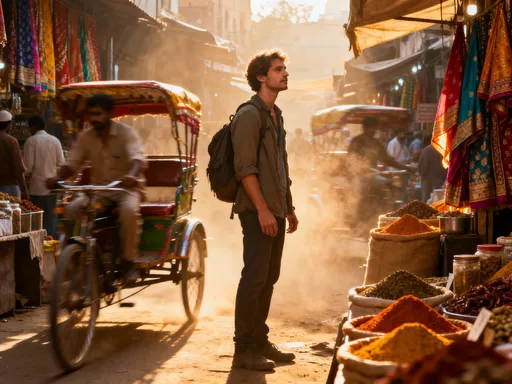
Old Delhi, once known as Shahjahanabad, was built in the 17th century by Mughal Emperor Shah Jahan. Its narrow alleys, packed with shops, food stalls, and centuries-old mosques, tell the story of a city built for commerce, faith, and community. A cycle rickshaw ride through Chandni Chowk offers a front-row seat to this living history. The lane once designed for royal processions now teems with shoppers, delivery boys on bicycles, and tourists marveling at the sheer density of life. Here, goldsmiths hammer intricate jewelry beside spice merchants selling turmeric, saffron, and dried rose petals in hand-stitched cloth bags. The scent of frying jalebis drifts from roadside stalls, mixing with the aroma of leather goods and incense.
Just a short distance away stands Jama Masjid, one of India’s largest mosques. Climbing the southern minaret offers a breathtaking view: a sea of red sandstone rooftops, tangled power lines, and the constant movement of people below. Inside, worshippers sit in quiet rows, some reading the Quran, others lost in silent prayer. The atmosphere is one of reverence, yet it remains accessible—visitors are welcome, provided they dress modestly and remove their shoes. This openness reflects a broader truth about Old Delhi: tradition here is not preserved behind glass but lived every day.
Contrast this with New Delhi, the planned capital designed by British architects Edwin Lutyens and Herbert Baker in the early 20th century. Here, wide avenues radiate from roundabouts, tree-lined boulevards stretch toward government buildings, and symmetry reigns. Rajpath, the ceremonial boulevard leading to India Gate, evokes a sense of order and grandeur. On Republic Day, it hosts a grand parade, but on ordinary days, it’s a place for families to stroll, children to fly kites, and couples to sit on the grass under the shade of neem trees.
India Gate, a war memorial honoring Indian soldiers who died in World War I, stands as a solemn yet welcoming landmark. Unlike many memorials, it doesn’t feel distant or formal. Locals gather here in the evenings, enjoying street food, listening to musicians, or simply watching the light show that illuminates the monument at night. The contrast between Old and New Delhi could not be starker—one organic and dense, the other geometric and open—yet both are essential to understanding the city’s soul. Together, they reflect India’s ability to honor its past while shaping its future.
Markets That Tell Stories: Beyond Shopping
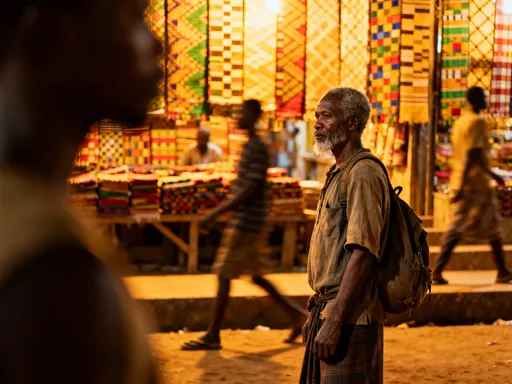
In New Delhi, markets are not just places to buy things—they are storytellers. Each stall, each vendor, each handcrafted item carries a narrative of region, craft, and continuity. To shop here is not an act of consumption but of participation in a cultural exchange that stretches across the subcontinent.
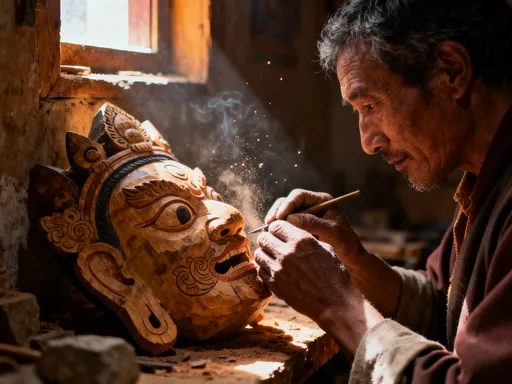
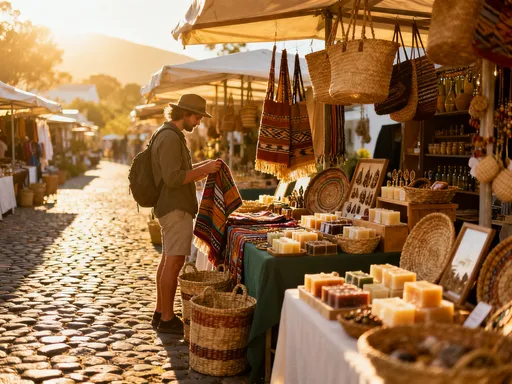
Dilli Haat, an open-air market managed by the Delhi Tourism Board, exemplifies this idea. Built to resemble a traditional Indian village fair, it rotates regional themes weekly, so one weekend might highlight the textiles of Rajasthan, the next the pottery of West Bengal. Artisans travel from across India to sell their wares, often sitting beside their goods and demonstrating their techniques. A woman from Assam might weave a silk gamocha on a small loom, explaining how each pattern represents a family tradition. A potter from Gujarat shapes clay by hand, his fingers moving with a rhythm passed down from his father.
These interactions go beyond transaction. They are moments of cultural transmission. When you purchase a hand-block-printed scarf from Rajasthan or a bamboo lamp from Nagaland, you’re not just acquiring an object—you’re supporting a livelihood and preserving a craft. Many of these artisans come from communities where these skills have been practiced for centuries, often in remote villages with limited access to broader markets. Dilli Haat provides them with a platform, and visitors with an authentic glimpse into India’s diverse artistic heritage.
Chandni Chowk, meanwhile, tells a different kind of story—one of enduring commerce. This market has been a trading hub since the 1600s, and today it remains one of Asia’s busiest. But beyond the glittering jewelry shops and stacks of wedding attire, there are quieter stories. A tiny stall selling brass weighing scales has been run by the same family for five generations. A spice vendor measures out cumin and coriander with a wooden spoon, just as his grandfather did. Bargaining is expected, but it’s not aggressive—it’s a ritual, a way of building rapport. A smile, a cup of chai offered to a customer, a shared joke in broken English—these are the currencies of trust.
What makes these markets so powerful is their authenticity. There’s no pretense, no attempt to cater solely to tourists. Life unfolds naturally. A shopkeeper might pause to pray at a small shrine behind his counter. A delivery boy arrives with a stack of fabric rolls, calling out in Hindi. Children dart between stalls on their way home from school. To walk through these markets is to witness the everyday economy of India—not as a statistic, but as a living, breathing system built on relationships, reputation, and resilience.
Flavors That Define a Culture
To understand New Delhi, one must eat. Food here is not just sustenance; it is history, identity, and community served on a plate. From the golden parathas stuffed with spiced potatoes to the smoky kebabs grilled over charcoal, every dish carries the imprint of migration, dynasty, and devotion.
Paranthe Wali Gali, a narrow lane in Chandni Chowk dedicated entirely to stuffed flatbreads, is a pilgrimage site for food lovers. The shopfronts are unassuming—wooden counters, metal trays, and open kitchens where cooks flip parathas on large iron griddles. The menu varies by vendor: some specialize in aloo paratha, others in paneer, radish, or even banana. Sitting on a small stool, watching the cook press dough and fold in fillings with swift precision, one realizes this is not fast food—it’s slow craftsmanship disguised as street fare.
A few streets away, near Jama Masjid, the air thickens with the scent of grilled meat. Kebab shops line the alleys, each claiming to serve the best seekh or boti kebab in Delhi. The secret lies in the marinade—yogurt, ginger, garlic, and a blend of spices left to infuse overnight. The skewers are then cooked over smoky charcoal, giving the meat a charred exterior and juicy interior. Eating here is an experience of immediacy: the kebab is served hot, wrapped in a soft naan, with a squeeze of lemon and a side of mint chutney. There’s no cutlery, no table—just flavor, shared with strangers on a crowded sidewalk.
Equally iconic is the humble chole bhature, a dish of spicy chickpea curry paired with deep-fried bread. At a roadside stall in Paharganj, I watched a cook drop dough into hot oil, where it puffed up like a balloon within seconds. Served with a tangy onion salad and a small cup of lassi, it’s a meal that transcends class. Office workers, taxi drivers, and tourists all line up for the same plate. And then there’s cutting chai—half-cup tea brewed strong with milk and sugar, served in small glasses. It’s not just a drink; it’s a social ritual. People gather at chai stalls not just to drink but to talk, argue politics, share jokes, or sit in companionable silence.
For travelers concerned about hygiene, the key is observation. Look for stalls with high turnover—fresh food is constantly being made. Notice if locals are eating there; that’s often the best indicator of safety. Stick to boiled or bottled water, avoid ice unless it’s sealed, and embrace street food with curiosity, not fear. When approached with respect, Delhi’s food scene is not only delicious but deeply revealing. It shows how cuisine in India is not just about taste but about connection—between people, places, and pasts.
Temples, Mosques, and Silent Moments
Amid the noise and movement, New Delhi offers spaces of stillness—places where the soul can catch up with the body. These are not escapes from the city but integral parts of it, where spirituality is not separate from daily life but woven into its fabric.
The Lotus Temple, shaped like a white marble lotus flower, is one such sanctuary. Open to people of all faiths, it has no idols, no rituals, no sermons—only silence and meditation. Visitors remove their shoes and enter through the petals, stepping into a vast central hall bathed in natural light. Inside, hundreds sit in quiet contemplation, some with eyes closed, others gazing upward. There are no rules, no expectations—only the invitation to be still. What’s striking is the diversity of those present: families, students, elderly couples, solo travelers. In this space, differences in religion, language, and background dissolve into a shared human need for peace.
Other religious sites offer different kinds of presence. The ISKCON Temple in Vrindavan Marg is vibrant with activity—devotees chant, offer flowers, and listen to spiritual discourses. The scent of incense and sandalwood fills the air, and the sound of bells and mantras creates a meditative atmosphere. Yet even here, the sacred feels accessible. A volunteer offers a free meal in the community kitchen, explaining that feeding others is a form of worship. There’s no pressure to convert or perform—only an open door.
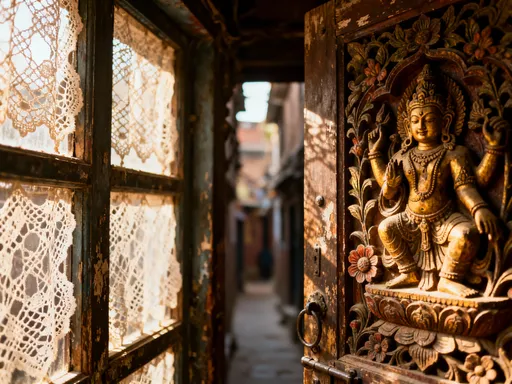
Less known but equally moving are the smaller neighborhood temples and mosques, where worship is intimate and unscripted. A small Shiva temple tucked behind a residential colony might have only a handful of visitors, yet the priest greets each with warmth. A local mosque during evening prayer sees men of all ages laying out their mats on the pavement, bowing in unison. These moments are not staged for tourists; they are real, unguarded expressions of faith.
Religion in New Delhi is not a spectacle. It’s not something performed for outsiders. It’s a rhythm of life—waking up to temple bells, breaking fast during Ramadan, celebrating Diwali with lights and sweets. To witness it is to understand that spirituality here is not about doctrine but about presence. It’s in the way a woman folds her hands before a roadside shrine, the way a man pauses to say a prayer before starting his rickshaw, the way silence can be shared among strangers in a temple that looks like a flower.
Local Encounters: When Strangers Feel Like Family
What lingers long after a visit to New Delhi is not the monuments or the meals, but the people. It’s the chai wallah who notices you looking at a map and offers directions with a smile. It’s the college student who helps translate a sign, then invites you to join her and her friends for tea. It’s the family in a park who offer you a taste of the sweets they’ve brought for a celebration.
These moments are not curated experiences. They happen spontaneously, born from a culture of hospitality that views guests as blessings. In Hindi, there’s a saying: *Atithi Devo Bhava*—the guest is God. It’s not just a slogan on government posters; it’s a lived value. People go out of their way to help, not because they expect something in return, but because it’s the right thing to do.
I remember sitting near India Gate when an elderly man noticed I was writing in a notebook. He asked, in careful English, what I was recording. When I explained I was writing about my impressions of Delhi, he smiled and said, “Write that we are warm. Not perfect, but warm.” We talked for twenty minutes about his life, his grandchildren, his favorite park bench. He didn’t ask for money. He didn’t try to sell me anything. He just wanted to be heard.
Another time, lost in the lanes of Chandni Chowk, I was guided by a shopkeeper who closed his stall for ten minutes to walk me to my destination. “This city is big,” he said, “but not cold.” His words stayed with me. In a world where urban life often feels isolating, New Delhi defies the norm. Connection is not rare—it’s routine. It happens in shared laughter over a language mix-up, in the way a vendor hands you an extra samosa “for the road,” in the patience of a rickshaw driver who waits while you take photos.
These encounters don’t require grand gestures. They grow from small acts of openness—saying “thank you” in Hindi, accepting a cup of chai, asking someone about their day. When you slow down and say yes to these moments, the city reveals its heart. It’s not always easy—there are scams, there are hassles—but the overwhelming impression is one of kindness. And that, more than any monument, is what makes New Delhi unforgettable.
Travel Smart: Respecting Culture While Exploring Freely
Visiting New Delhi is immensely rewarding, but doing so mindfully enhances both your experience and your impact. Simple choices—how you dress, speak, move through spaces—can open doors to deeper connection and mutual respect.
Dress modestly, especially at religious sites. Cover shoulders and knees, and always remove shoes before entering temples or mosques. Carry a lightweight scarf—it’s useful for sun protection and modesty. When photographing people, ask first. A smile and a gesture go a long way. Many will happily pose; others may decline, and that’s okay. Respect is more important than the perfect shot.
Use cash in markets and small eateries. While digital payments are growing, many vendors still operate on cash. Keep small bills handy for chai, snacks, and rickshaw rides. The Delhi Metro is clean, efficient, and one of the best ways to avoid traffic. It’s also affordable and connects major tourist areas. For shorter distances, auto-rickshaws are convenient—insist on using the meter or agree on a fare beforehand.
Stay hydrated with bottled or filtered water. Avoid tap water and ice unless it’s from a sealed source. Street food is safe if it’s freshly cooked and served hot. Look for busy stalls with high turnover—this usually means the food is fresh. Eat at mealtimes when crowds are largest; that’s when the best vendors are busiest.
Learn a few basic Hindi phrases: *Namaste* (hello), *Dhanyavaad* (thank you), *Kitna hai?* (How much?). Even mispronounced, they signal respect and often spark warm responses. Avoid public displays of affection, which are culturally inappropriate. Be patient with bureaucracy and delays—things move at their own pace.
Choose accommodations in areas like Connaught Place, South Delhi, or near major metro stations for convenience and safety. Visit major sites early in the morning to avoid crowds and heat. Winter (October to March) is the best time to visit, with mild temperatures and clear skies.
Most importantly, travel with humility. You are a guest in a complex, vibrant culture. Listen more than you speak. Observe before you act. Say yes to invitations, even small ones. When you approach New Delhi not as a spectator but as a participant, the city reveals its true magic.
New Delhi doesn’t just welcome you—it challenges you to see differently. It’s messy, profound, loud, and deeply human. Every encounter, meal, and alleyway reveals a piece of India’s soul. This isn’t just a destination; it’s a cultural awakening. Go not to check a box, but to let the city change how you see the world.