You Won’t Believe What I Found in Adelaide’s Wild
Adelaide isn’t just a quiet city between vineyards and beaches—it’s a gateway to some of Australia’s most breathtaking natural landscapes. I went looking for peace and ended up discovering raw, untouched beauty: from golden dunes meeting the sea to ancient ranges glowing at sunset. This is nature in motion, alive and whispering. If you think you know Adelaide, think again—its wild heart will leave you speechless.
Beyond the City: Why Adelaide’s Natural Landscape Surprises Most Travelers
Many visitors assume Adelaide is a refined, slow-paced city best known for its wine regions, art festivals, and colonial architecture. While these cultural highlights are real and deeply cherished, they only tell half the story. Just beyond the city’s tree-lined suburbs lies a dramatic and diverse natural world that defies expectations. Within two hours’ drive in any direction, travelers can stand atop misty mountain ridges, walk across vast salt flats that mirror the sky, or snorkel in clear coves teeming with marine life. This proximity to such varied ecosystems makes Adelaide one of the most uniquely positioned cities in Australia for nature lovers.
The geographic diversity surrounding Adelaide is remarkable. To the east rise the Adelaide Hills, part of the Mount Lofty Ranges, where cool temperate forests and seasonal waterfalls offer a refreshing contrast to the surrounding plains. To the south stretches the Fleurieu Peninsula, where the Southern Ocean carves dramatic cliffs and hidden beaches into the coastline. Northwest leads toward the Flinders Ranges, one of the oldest mountain systems on Earth, while westward, across Spencer Gulf, lies the remote and rugged Eyre Peninsula. Few cities in the world offer such a range of natural environments—coastal, alpine, arid, and forested—all accessible within a single day’s journey.
What makes this variety even more surprising is how seamlessly it integrates with daily life. Residents often enjoy a morning coffee in the city, a midday hike in the hills, and a sunset swim at a nearby beach—all in the same day. This easy access fosters a deep cultural appreciation for the outdoors, reflected in local conservation efforts, eco-tourism initiatives, and community-led land care programs. For travelers, it means the opportunity to experience Australia’s wild heart without needing to journey deep into the outback or fly to distant islands. Adelaide’s true magic lies in its ability to offer both urban comfort and raw natural beauty in one seamless experience.
The Flinders Ranges: Where Time Stands Still
Approximately 400 kilometers north of Adelaide, the Flinders Ranges rise from the flat plains like ancient sentinels of stone and sky. This mountain range, formed over 600 million years ago, predates even the dinosaurs and stands as one of the most significant geological formations in Australia. At the heart of this region lies Ikara-Flinders Ranges National Park, a protected area co-managed by the Adnyamathanha people, the Traditional Owners, whose connection to the land spans tens of thousands of years. Here, time feels different—slower, deeper, more intentional.
The park’s most iconic feature is Wilpena Pound, a natural amphitheater of mountains that encircles a vast basin nearly eight kilometers across. From above, it resembles a colossal crater, though it was formed not by impact but by uplift and erosion over eons. Hiking the rim trail rewards visitors with panoramic views of red-rock ridges, deep gorges, and sweeping valleys. The silence here is profound, broken only by the wind whispering through the gums or the distant cry of a wedge-tailed eagle. Many who visit speak of a spiritual recalibration, a sense of being humbled by the sheer scale and age of the landscape.
Beyond its geological wonders, the Flinders Ranges offer exceptional stargazing opportunities. With minimal light pollution and clear desert air, the night sky comes alive in brilliant detail. The Milky Way stretches across the heavens like a river of light, and constellations appear sharper and brighter than in any city. Guided astronomy tours are available, often combined with cultural storytelling from the Adnyamathanha, who have their own celestial traditions and Dreaming stories tied to the stars.
For those planning a visit, the best time to travel is during the cooler months, from April to October, when daytime temperatures are mild and the risk of extreme heat is low. Roads within the park are well-maintained but often unsealed, so a four-wheel-drive vehicle is recommended, especially after rain. Camping options range from basic bush sites to more comfortable eco-lodges, with Wilpena Pound Resort offering powered sites, cabins, and a visitor center with cultural exhibits. Visitors are encouraged to learn about and respect the cultural significance of the area, including sacred sites and traditional practices. This is not just a place to see—it’s a place to listen, reflect, and connect.
Adelaide Hills: Green Escape Just Minutes from the City
Just a 20-minute drive east of Adelaide’s center, the landscape transforms. The urban sprawl gives way to rolling hills, dense forests, and cool, crisp air. The Adelaide Hills, part of the Mount Lofty Ranges, form a green sanctuary that serves as both a recreational haven and a vital ecological corridor. With elevations reaching over 700 meters, this region enjoys cooler temperatures and higher rainfall than the city, supporting lush vegetation rarely seen elsewhere in South Australia.
One of the most popular destinations in the hills is Mount Lofty, the highest peak in the range. A winding road leads to a summit lookout offering sweeping views of Adelaide, the plains, and the Gulf St Vincent. On clear days, the horizon seems endless. Nearby, Waterfall Gully is a favorite for families and hikers alike. The trail to First Falls is an easy 1.2-kilometer walk through native bushland, ending at a picturesque cascade that flows strongest in winter and spring. More experienced hikers can continue to Second and Third Falls, where the sound of rushing water and the scent of damp eucalyptus create a deeply restorative atmosphere.
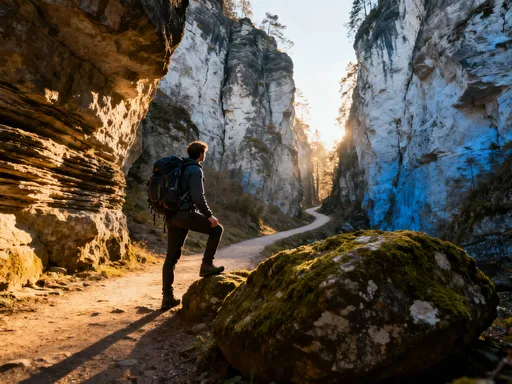
The biodiversity of the Adelaide Hills is remarkable. The region is home to a wide variety of birdlife, including the striking crimson rosella, the laughing kookaburra, and the elusive superb lyrebird. Walking trails like the Heysen Trail, which stretches over 1,200 kilometers from Cape Jervis to the Flinders Ranges, pass through these forests, offering long-distance hikers a chance to experience the changing seasons and landscapes of South Australia. Autumn is particularly special here—while most of Australia remains green or brown, the hills burst into color as European deciduous trees, planted over a century ago, turn golden and red. This seasonal display attracts photographers and visitors from across the country.
Beyond nature, the Adelaide Hills are known for their charming towns—Hahndorf, Australia’s oldest surviving German settlement, offers cozy cafes and artisan shops, while Stirling and Aldgate provide quiet retreats surrounded by greenery. The region also produces cool-climate wines, especially sparkling and pinot noir, and hosts numerous farmers’ markets. Yet despite its accessibility and popularity, the hills retain a sense of tranquility. Whether you’re sipping tea in a mountain cottage or sitting quietly by a creek, the natural rhythm of the land invites stillness and reflection.
On the Edge: Coastal Wonders at Fleurieu Peninsula
South of Adelaide, the Fleurieu Peninsula stretches into the Southern Ocean, offering some of South Australia’s most dramatic and diverse coastal scenery. This 100-kilometer-long peninsula is a mosaic of rugged cliffs, sandy beaches, tidal rock pools, and protected marine parks. It’s a place where the power of the ocean meets the resilience of the land, creating landscapes that are both awe-inspiring and ecologically rich.
Victor Harbor, one of the peninsula’s most visited towns, sits on a granite outcrop connected to Granite Island by a historic horse-drawn tram. The island, once a private retreat, is now a conservation area home to little penguins, sea birds, and native plants. Visitors can walk the perimeter trail, watch southern right whales during migration season (June to October), or take a guided eco-tour to learn about the area’s marine life. Just west, the Deep Creek Conservation Park offers one of the most scenic coastal hikes in Australia—the Heysen Trail passes through here, with cliff-top paths that overlook pounding surf and secluded coves.
Further west, Second Valley and Parsons Beach provide calmer waters ideal for snorkeling and kayaking. The underwater world here is vibrant, with kelp forests swaying in the current and schools of colorful fish darting among the rocks. Guided sea cave tours by kayak allow visitors to paddle into hidden grottos lit by refracted sunlight, a surreal and peaceful experience. These areas are part of the Encounter Marine Park, a protected zone that balances recreation with conservation, ensuring that marine ecosystems remain healthy for future generations.
Responsible tourism is essential in this fragile environment. Visitors are reminded to stay on marked trails, avoid disturbing wildlife, and take all rubbish with them. Local groups run beach cleanups and dune restoration projects, and many tour operators follow strict eco-guidelines. By traveling with care, visitors help preserve the peninsula’s natural beauty while still enjoying its wonders. The Fleurieu is not just a destination—it’s a reminder of how closely land and sea are connected, and how vital it is to protect both.
Desert Meets the Sea: The Magic of Lake Gairdner and Eyre Peninsula
Western South Australia is home to one of the planet’s most surreal natural phenomena—Lake Gairdner. This vast salt lake, covering over 4,300 square kilometers, lies in a remote desert region northwest of Adelaide. For most of the year, it appears as a cracked, white expanse under the sun. But after rare rainfall, a thin layer of water transforms the lake into a giant mirror, perfectly reflecting the sky and clouds. The effect is otherworldly—horizons dissolve, and the earth seems to float in space. Photographers from around the world make the long journey here to capture this fleeting spectacle, often camping for days to wait for the perfect conditions.
Access to Lake Gairdner requires careful planning. The nearest town is the tiny outpost of Moolawatana, and roads are unsealed and prone to closure after rain. A high-clearance 4WD is essential, and travelers must carry extra water, food, and communication devices. There are no facilities at the lake, emphasizing the importance of self-reliance and preparedness. Yet for those who make the journey, the reward is a profound sense of solitude and connection to the raw beauty of the Australian outback.
Further south, the Eyre Peninsula offers a striking contrast—where Lake Gairdner is dry and silent, this coastal region is alive with movement and sound. The peninsula is a global destination for eco-tourism, particularly for wildlife encounters. At the Head of Bight, a dramatic cliff formation on the Great Australian Bight, southern right whales come each year to calve and nurse their young. A boardwalk allows visitors to observe these gentle giants from a safe distance, with interpretive signs explaining their behavior and conservation status.
Further west, in the small coastal village of Baird Bay, visitors can swim with wild sea lions and bottlenose dolphins in their natural habitat. These guided tours emphasize respect and non-interference—swimmers are instructed to float quietly and let the animals approach. The experience is joyful and humbling, a rare chance to interact with marine life on their terms. The Eyre Peninsula also supports sustainable fishing, with local businesses promoting line-caught seafood and eco-certified practices. Together, these experiences highlight how remote regions can offer both adventure and responsibility, inviting travelers to witness nature’s wonders without disrupting them.
Seasons of the Wild: When to Experience Adelaide’s Nature at Its Peak
To truly appreciate Adelaide’s natural diversity, timing is everything. Each season brings its own magic to different regions, transforming landscapes and creating unique opportunities for visitors. Understanding these patterns allows travelers to plan trips that align with the rhythms of nature, maximizing both enjoyment and safety.
Spring, from September to November, is arguably the most vibrant season. The Adelaide Hills come alive with wildflowers—everlasting daisies, pink boronia, and scarlet banksia bloom in abundance. This is also the best time to see reptiles and birds emerging after winter, and waterfalls reach their peak flow from winter rains. In the Flinders Ranges, spring brings milder temperatures and the chance to see young wildlife, including wallabies and birds nesting in the gorges.
Summer, from December to February, is ideal for coastal visits, though inland areas can become extremely hot. Daytime temperatures in the Flinders Ranges often exceed 35°C, making early morning or late afternoon the safest times for hiking. The Fleurieu Peninsula, however, offers relief with ocean breezes and opportunities for swimming, kayaking, and beachcombing. Visitors should stay hydrated, wear sun protection, and check marine safety flags before entering the water.
Autumn, from March to May, provides near-perfect conditions for hiking and road trips. Temperatures are mild, skies are clear, and the light is golden—ideal for photography. This is the best season to explore the Flinders Ranges and the Eyre Peninsula, as wildlife remains active and the risk of extreme weather is low. In the Adelaide Hills, autumn foliage creates a rare Australian spectacle of red, orange, and yellow leaves.
Winter, from June to August, brings cooler temperatures and higher rainfall, making it the ideal time for waterfalls, lush greenery, and whale watching. Southern right whales arrive at the Head of Bight during these months, and storm-watching along the coast can be a dramatic experience. While some remote roads may be impassable after heavy rain, the landscape is at its most fertile and alive. Travelers should pack warm clothing and check weather forecasts, especially when visiting remote areas.
Travel Smart: How to Immerse Yourself Responsibly in Nature
Exploring Adelaide’s wild landscapes is a privilege, and with that comes responsibility. The regions described—whether desert, mountain, or coast—are fragile ecosystems shaped by millennia of natural processes. Human impact, even when well-intentioned, can disrupt delicate balances. Traveling responsibly means minimizing that impact while maximizing connection and understanding.
One of the most effective ways to travel sustainably is to slow down. Instead of rushing from one highlight to the next, consider renting a 4WD and spending several days in one region. Stay in eco-lodges or low-impact campgrounds that follow sustainable practices. Many accommodations now use solar power, harvest rainwater, and compost waste, reducing their environmental footprint. Using local guides not only supports the community but also ensures that visits are conducted with cultural and ecological sensitivity, especially in areas of Aboriginal significance.
When hiking, always stick to marked trails to prevent erosion and protect native plants. Carry all rubbish with you—there are no bins in many remote areas. Avoid feeding or approaching wildlife; observe from a distance and let animals behave naturally. In marine environments, refrain from touching coral or disturbing sea creatures. Snorkelers should wear reef-safe sunscreen to prevent chemical pollution.
Respecting Aboriginal land is equally important. Many of the areas discussed, including the Flinders Ranges and parts of the Eyre Peninsula, are part of traditional Country with deep cultural significance. Visitors should learn about local customs, avoid restricted areas, and support Indigenous-owned tourism enterprises when possible. This not only honors the world’s oldest living cultures but also enriches the travel experience with deeper meaning.
Finally, embrace the principle of ‘leave no trace.’ Take only photographs, memories, and inspiration. The true measure of a great journey is not what you bring home, but how it changes you. By traveling with care and curiosity, you help ensure that Adelaide’s wild heart continues to beat strongly for generations to come.
Conclusion
Adelaide’s natural landscapes aren’t just scenic backdrops—they’re living, breathing experiences that challenge and heal. From desert salt flats to whispering eucalyptus forests, each place invites deeper connection. The real magic? You don’t need to go far to feel wild. So pack light, tread gently, and let South Australia’s untamed beauty rewrite your idea of travel.